- Editorial Team
- August 23, 2025
Every parent hopes to see their newborn perfect in every way. Yet sometimes, a baby is born with ears that look different or misshapen. These are called ear malformations in babies. While the term may sound intimidating, most of these conditions are manageable. At EarCool South TX, we meet families daily who feel overwhelmed at first but leave with confidence after learning about the simple options available. Let’s break it down clearly and directly.
Key Takeaways
- Ear malformations in babies are common and usually treatable.
- Early detection improves treatment success.
- Non-surgical correction is possible with the EarWell® System.
- EarCool South TX offers trusted treatment for families in the Rio Grande Valley.
- Parents should act quickly because treatment works best in the first weeks of life.
Table of Contents
ToggleEar Malformations in Babies
Ear malformations in babies occur when the ear doesn’t form correctly during pregnancy. Sometimes the ear folds in, sticks out, or looks underdeveloped. These conditions range from mild cosmetic differences to more noticeable deformities. In most cases, the ear’s structure is present but needs gentle correction. Parents often ask, “Is this my fault?” The short answer: absolutely not. Ear malformations happen due to natural variations in growth. What matters most is recognizing the condition early and knowing help is available.
Types of Ear Malformations in Babies
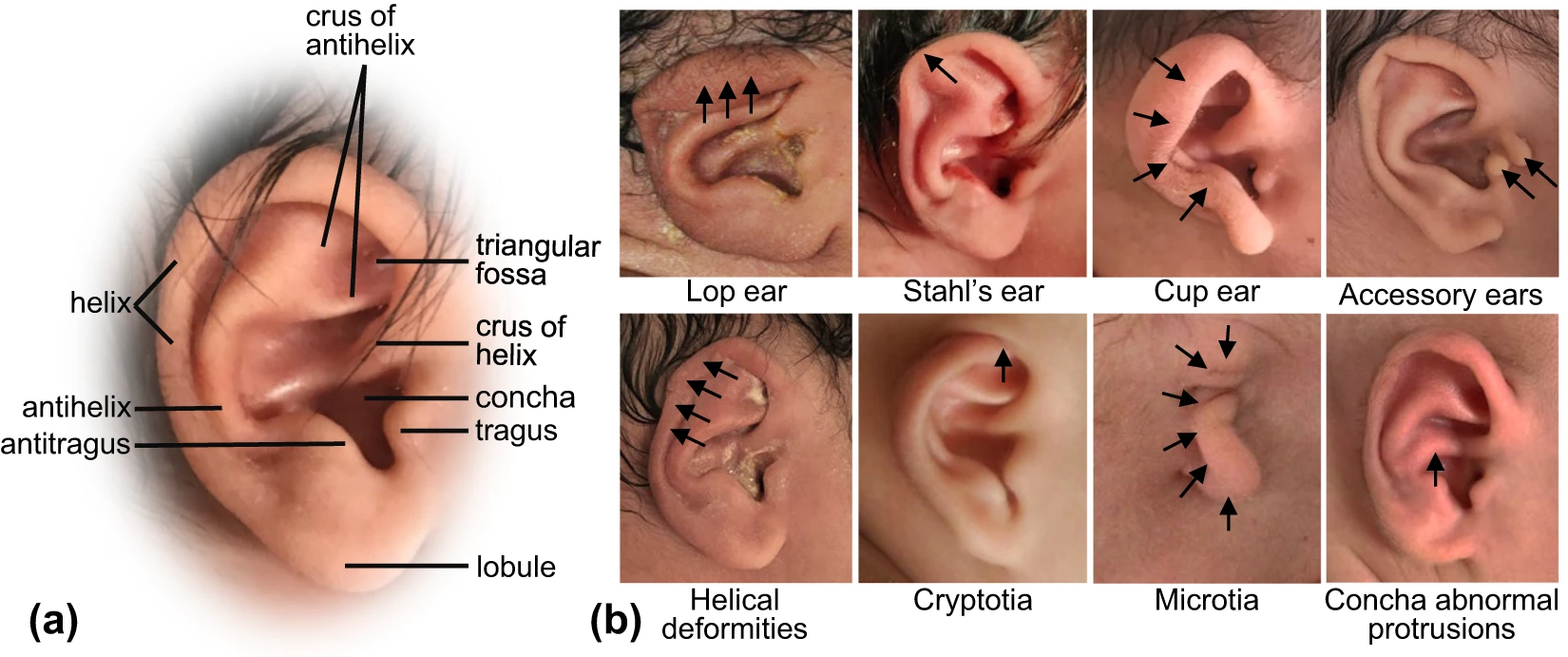
There are several types of ear malformations in babies:
- Prominent ears – ears that stick out more than usual.
- Stahl’s ear – an extra fold that gives the ear a pointed look.
- Lidding – where the top of the ear folds down.
- Cryptotia – the upper ear tucked under the scalp skin.
- Microtia – an underdeveloped or small ear.
Each type may look different, but they all share one thing: they can be addressed with the right care. According to Wikipedia, the human ear is a complex organ, but even small changes in shape can affect appearance and sometimes function.
Why Do Ear Malformations in Babies Happen?
The exact cause isn’t always clear. Genetics may play a role. Sometimes, pressure in the womb affects ear growth. Other times, it’s simply random. Think of it like baking cookies: most come out round, but occasionally one has a unique shape. It doesn’t mean the dough was bad—it’s just how things formed. Research shows that up to 15% of newborns have some form of ear malformation, but only a portion of these persist without treatment.
How Common Are Ear Malformations in Babies?
You may be surprised by how common this is. Studies suggest that as many as 1 in 3 babies show some ear irregularity at birth. The good news? Many mild cases self-correct within the first weeks. But waiting too long can reduce the chance for simple correction. That’s why specialists recommend getting an evaluation right away.
How to Spot Ear Malformations in Babies Early
Spotting ear malformations is usually straightforward. Parents often notice differences in shape, folds, or size immediately. Doctors check during newborn exams, but sometimes parents see it first at home. The key is not to dismiss it as “just how the baby looks.” Early action matters because newborn cartilage is soft and responds well to correction.
Do Ear Malformations in Babies Correct Themselves?
This is the million-dollar question. Some mild ear malformations in babies do improve naturally. For instance, a slight fold may round out. But more often than not, ears don’t fully correct on their own. Waiting to see if it “fixes itself” can lead to missed opportunities for simple treatment.
The Role of Early Treatment for Ear Malformations in Babies
Early treatment is like catching a bent plant stem before it stiffens. In the first weeks of life, baby cartilage is flexible due to maternal estrogen. That’s the window when non-surgical correction works best. After a few months, the ear hardens, and correction becomes more difficult. Acting early isn’t just helpful—it’s essential.
The EarWell® System Explained
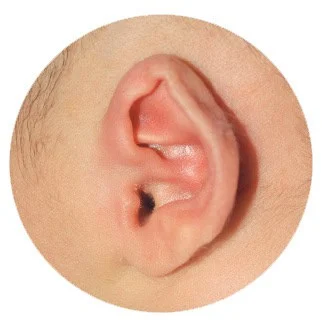
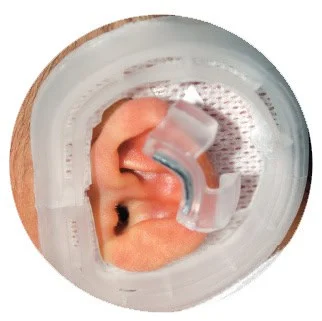
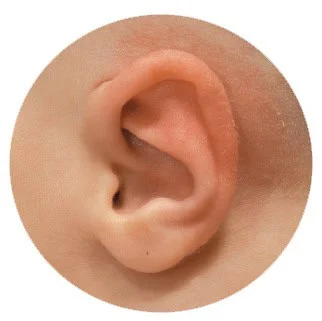
The EarWell® System is a non-surgical device designed to reshape ears safely and gently. Think of it like braces, but for ears. It’s applied to the baby’s ear, holds it in the correct shape, and stays on for a few weeks. Results are often permanent. Parents are amazed when they see the before-and-after difference.
Ready to get started?
Why Families Choose EarCool South TX
Families across Mission and the Rio Grande Valley choose EarCool South TX for one main reason: trust. We specialize in ear malformations in babies and use the EarWell® System with expert care. Parents often share how relieved they feel after realizing they don’t need surgery for their baby.
Does Treatment Hurt Babies?
Not at all. Babies tolerate the EarWell® device well. It doesn’t involve needles, cutting, or anesthesia. Most babies sleep through the process. Parents often say the toughest part is keeping the device dry during bath time.
How Long Does Treatment for Ear Malformations Take?
Treatment usually lasts 4–6 weeks. Some cases resolve faster, while others may take a little longer. The timeline depends on the type of malformation and how early treatment begins. The earlier we start, the shorter the process usually is.
What Happens if Ear Malformations Are Left Untreated?
Untreated ear malformations can lead to lifelong cosmetic differences. While health is rarely at risk, appearance can affect self-esteem later. Children may face teasing in school. Correcting the ear shape early helps prevent future emotional stress.
Comparing Non-Surgical vs. Surgical Correction
| Feature | Non-Surgical (EarWell®) | Surgical Correction |
| Age | Newborns (0–6 weeks ideal) | 6 years and older |
| Pain | Painless | Requires anesthesia |
| Recovery | 4–6 weeks | Several weeks |
| Cost | Lower | Higher |
| Outcome | Permanent | Permanent |
Non-surgical correction is almost always preferred when possible. Surgery becomes necessary if treatment is delayed.
Can Parents Prevent Ear Malformations in Babies?
Unfortunately, no guaranteed prevention exists. Parents can’t control womb pressure or random growth differences. What they can control is early action after birth. Scheduling an evaluation ensures no time is lost.
What Parents Say About Treatment
Parents often describe the process as a relief. One mom said, “I thought my baby would need surgery someday. Now, looking at her ears, you’d never know there was an issue.” These real experiences highlight the impact of early treatment.
Ear Malformations and Emotional Impact on Parents
Parents sometimes feel guilt or worry when they notice ear malformations in babies. We always remind them: it’s not their fault. Support, empathy, and education help parents focus on solutions rather than blame.
Ear Malformations and Self-Esteem Later in Life
Appearance matters, especially in school years. Children with visible differences may feel self-conscious. Correcting the ears early reduces that risk. Parents often say they want to spare their child from potential teasing, which makes early treatment an easy choice.
The Importance of Awareness in Mission
In Mission, awareness about early ear correction is growing. Families are learning that treatment exists close to home. EarCool South TX plays a vital role in spreading this message.
Trusted by Parents & Pediatric Experts Across South Texas
FAQs About Ear Malformations in Babies
1. Can twins both have ear malformations in babies? Yes. It’s possible for one or both twins to be affected. Genetics and womb position may both play roles.
2. How do I care for the EarWell® device during treatment? Keep it dry, check it daily, and follow your provider’s instructions. Simple care ensures the best results.
3. Can ear malformations affect a baby’s hearing? Most malformations are cosmetic only. Severe cases like microtia may affect hearing, but that’s less common.
4. What if my baby is older than 3 months? Correction is harder but not impossible. We can still evaluate and discuss options.
5. Will insurance cover treatment for ear malformations in babies? Coverage varies. Some plans consider it cosmetic, while others cover it fully. Always check with your provider.
6. How do I schedule an evaluation with EarCool South TX? You can contact us directly to set up an appointment. Acting quickly is the best step.
Conclusion
Ear malformations in babies don’t define your child’s future. With early, gentle, non-surgical correction, families can move forward with confidence. At EarCool South TX, we’re honored to guide parents through this journey. If you’ve noticed an ear difference in your newborn, don’t wait. Reach out today and let us help you give your baby the start they deserve.